Stay Safe This Spring: Pick the Right Tyres for Ryton Roads
Choosing the right tyres is one of the simplest ways to keep your car safe and steady on Ryton’s roads. As the weather starts to warm up a little, it is a good moment to think back to how your car felt on those cold, wet mornings and icy days, and to ask if your tyres really coped as well as you wanted.
In late March, the weather here can swing from mild and bright to chilly and slippery in a day. Winter is not quite gone, and the next cold season is never as far away as we think. That is why this time of year is perfect for looking at whether all-season tyres in Ryton will work well for you, or if a dedicated set of winter tyres would give you more confidence when the temperature drops again.
How Ryton’s Weather Affects Your Tyre Choice
Ryton and the wider Tyne Valley see a mix of conditions that can catch drivers out. Through autumn, winter and early spring, you can expect:
- Damp roads that never quite dry out
- Frosty starts that leave thin ice on side streets
- Occasional snow that compacts on quieter roads
- Heavy showers with standing water in ruts and dips
All of these can reduce grip and increase the distance it takes to stop. Standard summer tyres are designed to work best in warmer, drier conditions. As the temperature falls towards about 7°C, their rubber starts to harden. A harder tyre has less give, so it does not bite into the road as well, especially on cold and wet surfaces.
In our area that kind of temperature is common through much of autumn and winter, especially:
- Early in the morning and late at night
- On shaded country lanes and wooded stretches
- On higher or more exposed roads
Add in the way many people drive here, with short commutes, school runs, and regular use of twisting lanes towards places like Prudhoe or out into the countryside, and tyre performance in the cold and wet becomes very important. Short trips mean tyres often stay cold, and cold tyres give less grip unless they are designed for it.
What All-Season Tyres Really Offer Ryton Drivers
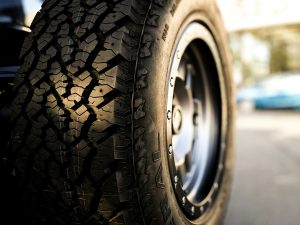
All-season tyres aim to cover you for a bit of everything. They sit between summer and winter tyres, borrowing features from both. The tread usually has more grooves and sipes than a pure summer tyre, to move water away and grip better in light snow. The rubber compound is designed to stay flexible in cooler weather, without becoming too soft when it is warmer.
For many drivers in Ryton, the benefits are clear:
- One set of tyres all year round
- No need to swap sets when the seasons change
- Sensible performance in mild winters and cool, wet days
- A good match for mainly local, low to medium mileage driving
If you rarely drive in heavy snow, mostly stick to main roads, and want something simple that you can fit and forget, all-season tyres in Ryton can be a strong option. They are a good step up from running summer tyres through winter, especially where the key risk is cold rain, frost and the odd light covering of snow.
There are trade-offs though. All-season tyres are still a compromise. They are usually not as strong as full winter tyres on:
- Compacted snow and sheet ice
- Very steep or untreated hills
- Long periods of sub-zero weather
In very hot weather they may not feel quite as sharp as a good summer tyre either. Quality matters too. Premium all-season tyres often give better grip, shorter stopping distances and longer life than budget versions, especially in tough conditions.
When Winter Tyres Are the Smarter Investment
Winter tyres are built with one main job, to keep you moving and stopping safely when it is cold. They use a softer rubber compound that stays flexible even when the temperature drops well below that 7°C mark. The tread is deeper, with lots of tiny cuts called sipes that bite into snow and the top layer of ice.
A true winter tyre is easy to spot:
- The Three Peak Mountain Snowflake symbol on the sidewall
- More open tread patterns for clearing snow and slush
- Plenty of sipes across the tread blocks
These features help with traction when pulling away, braking distances, and stability in corners. Around Ryton, winter tyres come into their own in situations like:
- Early-morning commutes before roads are fully treated
- Rural routes towards places like Prudhoe or Hexham with fewer gritted stretches
- Steep or exposed roads where ice lingers in shade
- Regular longer winter journeys on A-roads and motorways
There is a cost to owning a second set of tyres, but it is worth weighing this against safety and tyre life. When you run winter tyres in the cold months and summer tyres in the warmer ones, each set only does part of the year. That can spread wear over more time, so although you buy more tyres in total, they last longer as a group.
For drivers who often face snow, live up steep lanes, drive before the gritter, or just place a higher value on winter grip, a winter plus summer set can become a more sensible choice than relying on all-season tyres alone.
Comparing All-Season and Winter Tyres in Everyday Use
So how do all-season and winter tyres stack up when you are just getting on with daily life around Ryton? In cold, wet conditions without snow, a good all-season tyre is usually a big improvement over a summer tyre. Braking distances are typically shorter and the car feels more planted on damp bends.
In light snow, all-season tyres can still keep you moving on main roads that have been ploughed or partly treated. Winter tyres go further, especially when:
- Braking hard on compacted snow
- Pulling away on hills
- Turning on slushy side streets
In heavier snow and on ice, winter tyres normally offer a clear advantage in both stopping and steering control. They also tend to resist aquaplaning well in cold heavy rain, thanks to their deeper tread and grooves.
There are practical things to think about too:
- Storage; you need space to keep the spare set if you go for both winter and summer
- Timing; swapping around late autumn and early spring keeps each set in its best temperature range
- Mileage; regular long trips might favour a dedicated summer plus winter set for better wear and feel
As a simple guide:
- Mostly local, low to medium miles, mainly treated roads, and mild winters: all-season tyres in Ryton are usually a good fit.
- Regular early starts, steep or rural routes, or frequent snow and ice: a winter plus summer setup is often the safer and more confident choice.
- High mileage across mixed roads: think about how often you face real winter conditions and choose the option that balances safety and running costs for your use.
Get Personalised Tyre Advice and Fitting in Ryton
The best tyre choice always comes back to your car, your routes and how you drive. Tread depth, tyre age and general condition all make a big difference to how any tyre performs, whether it is an all-season or a winter type.
At Ryton Tyre & Autocentre, we work with tyres all day, from fitting and balancing to wheel alignment, and we see how different patterns and compounds behave on local roads. If you are unsure whether all-season tyres in Ryton are right for you, or you are thinking about switching to a winter and summer combination, we can check your current setup, talk through your daily driving, and help you choose a tyre plan that keeps you safe and comfortable through every season.
Enjoy Safer, Hassle-Free Driving All Year Round
If you want tyres that cope reliably with changing British weather, we can help you choose the right set for your car and mileage. At Ryton Tyre & Autocentre, we supply and fit quality all-season tyres in Ryton so you stay confident on the road in sunshine, rain or light snow. Our technicians will check your current tyres, give clear advice and fit your new set at a time that suits you. Book your appointment today and let us get your car ready for the seasons ahead.