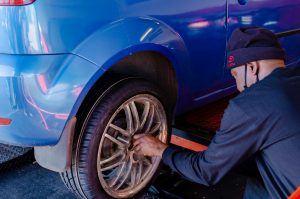

Stay Safe on the Road After a Sudden Puncture
A flat tyre can turn a normal Ryton commute or school run into a very stressful moment. One minute you are rolling along, the next you feel the car pull to one side or hear that horrible flapping sound. What you do in the next few minutes really matters for your safety and for the health of your car.
More drivers now keep DIY tyre puncture repair kits in the boot. These kits can sometimes help you move the car to a safer place, or get you home when there is no other option. But they are not a magic fix for every problem, and they can be misused in ways that make things worse.
In this guide, we explain what these kits can and cannot do, what the law allows in the UK, and why some damage always needs a professional eye. We also share how we approach tyre repair in our Ryton workshop, so you know what to expect when you come to a specialist instead of tackling a risky fix at the roadside.
What DIY Tyre Puncture Kits Can and Cannot Do
There are a few common types of DIY tyre puncture kits that drivers keep in the car:
- Aerosol sealant cans that you screw onto the valve to squirt in liquid sealant
- Plug or cord kits that push a rubber plug into the hole from the outside
- Foam and compressor systems supplied with many newer cars instead of a spare wheel
These products are usually meant for small, clean punctures in the tread area, often from a nail or a screw. In some cases they can:
- Help you regain pressure so you can move off a dangerous spot
- Give you enough air to reach a garage slowly
- Reduce the need to change a wheel at the roadside
However, there are clear limits. DIY kits must never be used on:
- Cuts, splits, or tears in the sidewall
- Blowouts where the tyre has lost a big section of rubber
- Large holes, gashes, or any damage where cords are showing
Around late summer and into autumn, when roads are wetter and more debris and potholes appear, sudden punctures and damaged tyres are more common. Being prepared is sensible, but it is just as important to know when not to rely on that little can or plug kit in your boot.
The Legal Side of Tyre Repair in the UK
Tyre repair in the UK is not just about getting air back into the tyre. There are rules and standards that help keep everyone safe on the road.
In simple terms, British Standards only allow proper repair in certain areas of the tread, and only when the damage is a suitable size and type. The damaged area should be inspected from the inside before any permanent repair is made. Some repairs that might look fine from the outside are not legal or safe once the tyre is checked properly.
Drivers also have legal responsibilities, such as:
- Keeping tread depth at or above the legal minimum across the central part of the tyre
- Making sure tyres are free from serious cuts, bulges, or exposed cords
- Ensuring tyres are properly inflated and suitable for the vehicle
Temporary DIY repairs may help you move the car, but they do not count as a full repair. They should not be used for long distances, high speeds, or day-to-day driving. If you keep driving on a tyre that has only been patched with a can of sealant or a plug pushed in from outside, you may be breaking the law and putting yourself and others at risk.
Safety First When Using a DIY Repair Kit
If you suffer a sudden puncture, safety comes before any attempt to fix the tyre. Basic steps include:
- Pull over in a safe place, away from bends and junctions if you can
- Switch on your hazard lights
- Use a warning triangle where it is safe and legal to do so
- Avoid standing on the traffic side of the car
Trying to use a kit on the hard shoulder of a fast, poorly lit, or narrow road can be more dangerous than waiting for help. There are also risks from using the kit itself. Incorrect use of sealants or plugs can lead to:
- Internal damage to the tyre that is hidden at first
- Poor wheel balance, which causes vibration when driving
- Slow pressure loss that you may not spot until it is too late
If you do use a DIY kit, always check the pressure with a reliable gauge afterwards, not just the built-in display on a cheap compressor. Then drive slowly and gently, avoiding harsh braking or sharp steering, until the tyre has been checked by a professional.
When a Tyre Repair Kit Is Not Enough
There are some clear red flags where DIY is not safe at all. You should not rely on a kit if you see:
- Sidewall cuts, splits, or chunks missing
- Bulges or bubbles anywhere on the tyre
- Exposed metal cords or fabric
- Very large punctures or ragged tears
Damage from hitting a kerb or dropping into a deep pothole can also bend the wheel or harm the structure inside the tyre. Even if you manage to get some air in and the tyre looks round again, you might have weakened areas that are ready to fail at speed.
At most, a temporary repair should only be used for a short, gentle trip to a place where the tyre can be properly inspected. Fast dual carriageways, heavy loads, and long journeys on a bodged repair are a bad mix. Once you reach a trusted local specialist, they can confirm whether repair is safe or if you need a replacement to stay roadworthy.
How the Pros in Ryton Assess and Repair Tyres
When a tyre comes into a professional workshop for repair, the wheel is removed from the car and the tyre is taken off the rim so the inside can be checked. This is the only way to see the full extent of any damage.
A proper tyre repair involves steps such as:
- Cleaning and marking the damaged area
- Checking the size and position of the puncture against accepted standards
- Using approved repair materials that usually combine both a plug and a patch
- Re-seating the tyre on the rim and inflating it to the correct pressure
- Balancing the wheel so it runs smoothly
Technicians look at the overall condition of the tyre, not just the puncture. Age, tread depth, past repairs, and signs of uneven wear all play a part in the decision to repair or replace. If a pothole or kerb strike caused the puncture, it is also wise to check wheel alignment, balancing, and key parts of the suspension and braking system for any impact damage.
At Ryton Tyre & Autocentre, we follow a careful process for tyre repair, along with related services like wheel alignment, balancing, diagnostics, servicing, and brake checks to help keep local drivers safe and comfortable on the road.
Be Ready for Punctures and Know When to Call a Pro
A little planning makes a big difference when a puncture catches you out. It helps to:
- Check that your spare wheel, if you have one, is inflated and in good condition
- Make sure any sealant or foam kit in the car is in-date and complete
- Keep a torch, gloves, and basic tools handy
- Know where the jacking points are and how your specific repair system works
DIY kits are best thought of as temporary, emergency aids. They can play a part in getting you out of a tricky spot, but they do not replace a proper tyre repair. After any puncture, and especially after using a kit, a professional inspection is the safest next step.
Ryton Tyre & Autocentre is here for drivers in Ryton and the surrounding area, who want honest advice and careful tyre repair. If you are worried about a puncture, or you would like a pre-autumn safety check on your tyres and wheels, we are ready to help keep you and your family moving with confidence.
Restore Safe, Reliable Performance To Your Tyres Today
If you have spotted a puncture, sidewall damage or unusual wear, we can assess the issue quickly and advise on the safest solution. Our technicians use quality parts and precise methods to extend tyre life wherever a safe tyre repair is possible. At Ryton Tyre & Autocentre, we explain your options clearly so you can make an informed decision that suits your budget and driving needs. Get in touch today to book an appointment and keep your car performing at its best.