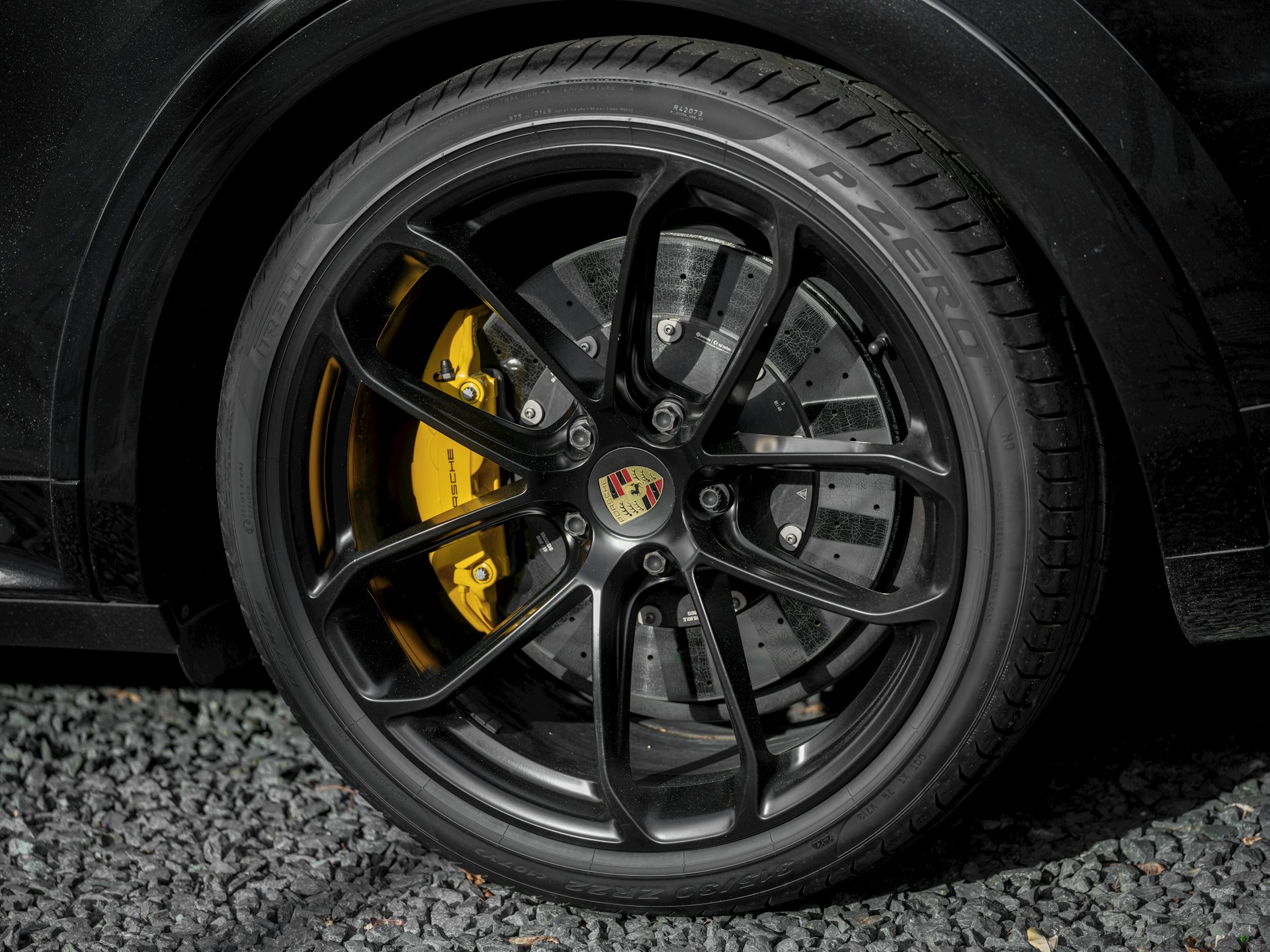
Good brakes are one of the main things that keep you and your family safe on the road. With late-summer school runs, holiday traffic, and showers starting to make roads greasy around Ryton, your brakes work hard every single day. Taking ten quiet minutes to check them can help you spot problems early, avoid bigger repairs and feel more relaxed behind the wheel.
You do not need to be a mechanic to notice when something is not right. Simple checks on your drive, paying attention to how the car feels and sounds, and keeping an eye on warning lights can all give you a good early heads up. In this guide, we will run through easy checks you can do at home, what the signs might mean, and when it is time to stop driving and let a local garage take over.
Quick Visual Brake Checks on Your Drive
Start with the basics. A safe look around your car on the drive can tell you a lot about how your brakes are doing.
First, make sure you set things up properly:
- Park on level ground
- Put the car in gear or in Park, with the handbrake firmly on
- Switch the engine off and take the key out
Turn the steering so the front wheels are slightly angled, so you can see through the alloy spokes or trims
Now you can take a closer look.
Check your tyres. Uneven wear can be a sign that something is off with braking or alignment. For example:
- One tyre worn much more on the inside or outside edge
- One wheel looking more worn than the others
- Feathered or patchy tread
While you are there, look at the wheels themselves. A thin layer of grey dust is normal, as brake pads create dust as they work. But:
- One wheel with a lot more dark dust than the others can hint at a brake on that corner working harder or sticking
- Very heavy dust that comes back quickly after a wash can also be a clue that your brakes need checking
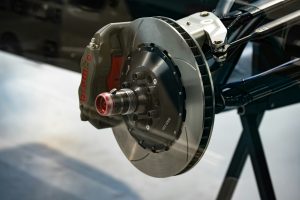
If you can see the brake disc through the wheel, take a quick look at its surface. Light surface rust after rain is common and usually disappears after a short drive. Worry more if you notice:
- Deep grooves or scoring in the disc
- Big rusty lips on the outer edge
- Chunks missing or cracks
Finally, look at the ground where you usually park. Wet patches that are not from air conditioning or rainwater should never be ignored. Brake fluid often looks clear to yellow, can feel slippery and may have a sharp smell. Any sign of dripping fluid around the wheels or under the middle of the car is an urgent warning, not something to watch and wait.
Listening and Feeling for Changes When Braking
Your everyday drive around Ryton is one of the best times to check your brakes. You know how your car normally feels in stop-start traffic, on the hills and on the run towards the A-roads. Changes are often your first clue.
Pay attention to the brake pedal:
- A normal pedal should feel firm and steady under your foot
- If it feels soft, spongy or sinks further than usual, the system may not be holding pressure properly
- If it feels rock hard and you struggle to press it, there could be a problem with the assistance system
Noises can also tell you a lot. Some light squeaking when the brakes are damp is fairly common, especially first thing in the morning. But be careful if you hear:
- A constant high-pitched squeal every time you brake
- Grinding or scraping, like metal on metal
- Thuds or clunks just as you come to a stop
These sounds can point to worn pads, damaged discs or loose parts. Driving on with grinding brakes can quickly turn a simple pad change into something far more serious.
Also notice how the car behaves when you slow down:
- Does it pull to one side when you brake?
- Does the steering wheel shake or judder?
- Does it take longer to stop than you expect?
- Does the car feel like it is dragging or holding back even when you are off the pedal?
All of these are signs that your brakes might not be working evenly or smoothly and that a professional inspection is needed.
Understanding Warning Lights and Brake Fluid Checks
Modern cars give you extra help with warning lights. It is worth knowing what the main brake-related ones mean.
Common lights include:
- A red circle with an exclamation mark or “P” that stays on can mean the handbrake is on, or there is a problem in the hydraulic system
- An ABS light that comes on while driving and stays lit points to an issue with the anti-lock braking system
- Some cars also have wear sensors that show a pad warning symbol when the pads are getting low
If a brake light or ABS light comes on while you are driving around Ryton or on nearby A-roads, treat it as a clear signal to get things checked. Do not just ignore it and hope it goes away.
You can also do a simple, safe look at your brake fluid level:
- Wait until the engine is cool
- Open the bonnet carefully and find the brake fluid reservoir, which is usually at the back of the engine bay on the driver’s side
- The tank is normally see-through plastic, with MIN and MAX marks on the side
The level should sit between these marks. If the level is just slightly lower and has been checked recently, that can sometimes be down to normal pad wear. But if it has dropped suddenly, is below MIN or you are topping up more than you expect, that points to a possible leak or other fault. Never keep topping up without finding the cause.
Many modern braking systems include ABS, stability control and electronic parking brakes. These use sensors and control units that you cannot see. When warning lights relate to these systems, the safest route is to have proper diagnostic checks done with the right equipment so that the exact fault can be found.
Seasonal Brake Checks Before Autumn and Winter
Late summer is a smart time to give your brakes some extra attention. Long holiday runs, heavier traffic and higher temperatures can all add extra wear. As we move towards wetter, darker mornings and evenings in the North East, strong, predictable braking becomes even more important.
Local driving conditions around Ryton can be hard work for brakes too. You might deal with:
- Short, steep hills that mean more braking on descents
- Uneven or rural routes where you brake more often for bends and potholes
- Busy local traffic and school runs that mean repeated stopping and starting
All of this adds up. A quick home check now, followed by a professional inspection if anything does not feel quite right, is a good way to prepare for the colder months. It is also a good idea to think about your brakes if:
- Your MOT is coming up
- You are booking a service
- You are planning regular motorway trips once the holidays are over
That way, any worn parts can be sorted before shorter days and slippery leaves arrive.
When to Stop Driving and Call a Local Expert
Some brake problems are too serious to wait. If you notice any of the following, it is safest to stop driving as soon as you can do so calmly and safely:
- A grinding noise every time you press the pedal
- A brake pedal that suddenly feels very different from normal
- A red brake warning light that stays on
- Any sign of brake fluid leaking on your drive or around the wheels
- The car struggling to stop or the pedal going right to the floor
In these cases, it is better not to risk even a short drive to the garage. Brakes are your last line of defence when traffic stops suddenly or a hazard appears in front of you.
At Ryton Tyre & Autocentre, we are here to help local drivers understand their brakes without any scare tactics. We offer friendly advice in plain English, quick safety checks and clear explanations of what is going on with your car. We only recommend the work that is genuinely needed to keep you safe. By using these simple home checks regularly and acting early on any warning signs, you give your car the best chance of stopping well when it matters most.
Keep Your Braking Performance Safe And Reliable
If you have noticed squeaking, vibration or a longer stopping distance, it is time to let us check your brakes. At Ryton Tyre & Autocentre we inspect, repair and replace brake components to keep you safe and legal on the road. Book your visit today and we will give you clear, honest advice on the work needed.