Stop Uneven Tyre Wear Before It Costs You Dear
Uneven tyre wear starts small, but it rarely stays that way. A bit of extra wear on one edge today can turn into a bald patch, a failed MOT and a full set of new tyres much sooner than you expected. Along the way, the car can feel vague in corners, use more fuel and be harder to stop in the wet.
Different tyre wear patterns act like warning lights. They show when wheel alignment is out, suspension parts are tired or tyre pressures are wrong. If you know what to look for, you can catch problems early and avoid bigger bills later on.
A professional wheel alignment check in Ryton can reveal what is really going on. Trained technicians can read the clues in your tyres, then adjust the alignment and check the suspension so the problem is fixed at the source, not just covered up with new rubber.
What Healthy Tyre Wear Should Look Like
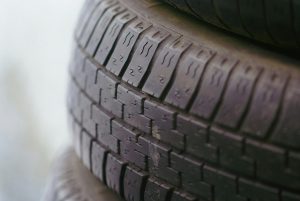
A healthy tyre is the same story all the way across. The tread depth should be even from inner edge to outer edge, with no strange patterns, sharp steps or shiny bald spots. When alignment, pressures and balance are all correct, tyres wear slowly and predictably.
For everyday driving, it helps to know a few basics about tread depth:
- The UK legal minimum tread depth is 1.6 mm across the central three quarters of the tread
- Grip in the wet starts to drop well before the legal limit
- Many drivers choose to change tyres earlier for extra safety in heavy rain
A few simple home checks can tell you a lot:
- Use a tread depth gauge or the 20p test to check several points across each tyre
- Run your hand gently along the tread, front to back, to feel for roughness or sharp “steps”
- Compare the inner edge, centre, and outer edge, looking for any clear difference in depth or colour
- Check all four tyres, not just the fronts, and do it in good light
If everything looks and feels even, your alignment and pressures are likely in a good place. If not, the wear pattern can help point to the cause.
Common Tyre Wear Patterns and What They Mean
Uneven tyre wear is rarely random. Certain patterns usually match certain faults, especially around wheel alignment and tyre pressures.
Inner or outer edge wear
If one edge of the tyre is worn much more than the rest, it often links to camber, which is the tilt of the wheel when viewed from the front.
- Inner edge wear can be linked to excessive negative camber
- Outer edge wear can be linked to excessive positive camber
- Both can be made worse by worn suspension joints or hitting a pothole or kerb
When alignment is out like this, the tyre is dragged along one edge instead of rolling squarely. A wheel alignment check in Ryton can measure camber properly and bring it back within the correct range.
Centre wear or both-edge wear
If the centre of the tread is worn but the edges still look healthy, the tyre may have been run overinflated. It has been riding on the middle instead of the full width of the tread. If both edges are worn and the centre looks better, that can point to underinflation, where the outer areas are doing more of the work.
Wrong pressures can:
- Reduce grip in heavy rain, because the tread cannot clear water properly
- Knock fuel economy, as the tyre does not roll as easily as it should
- Make the car feel harsh and skittish, or soft and wallowy
Correcting pressures is quick, but once the wear pattern has started, the damaged tyre rubber will not grow back. Regular checks help stop the problem returning.
Cupping, scalloping and feathering
Cupping or scalloping looks like scooped-out dips around the tyre. Feathering feels like a sawtooth pattern when you run your hand along the tread, smooth in one direction, sharp in the other.
These patterns often suggest:
- Poor wheel balance
- Worn shock absorbers or suspension parts
- Incorrect toe settings, where wheels point slightly in or out instead of straight ahead
When tyres look or feel like this, it is a sign that something in the wheel or suspension system is out of control. It is best to have a trusted local garage inspect everything properly before fitting new tyres, so the fresh rubber does not go the same way.
How Poor Alignment Affects Safety and Running Costs
Misaligned wheels do far more than mark up the tyres. They affect how your car behaves, how safe it feels and how much it costs to run.
Handling and braking
If the car pulls to one side, or if the steering wheel is not straight when you are going straight, alignment is a strong suspect. In wet conditions, poor alignment can:
- Increase stopping distances as tyres do not grip evenly
- Make emergency lane changes less controlled
- Reduce confidence when cornering on damp country roads
Tyre and fuel costs
Even a small alignment error makes tyres scrub across the road surface instead of rolling cleanly. That can:
- Strip thousands of miles of life from a set of tyres
- Lead to early MOT failures due to worn edges
- Increase rolling resistance, so the engine has to work harder and uses more fuel
Comfort and noise
Alignment and balance also have a big effect on comfort. Problems here often show up as:
- Vibrations or wobble through the steering wheel
- A droning, humming or “whup-whup” noise from the tyres
- A car that feels tiring to drive on longer motorway runs
Sorting the alignment and balance can make the car feel calmer, quieter and more relaxed on every trip.
When to Book a Wheel Alignment Check in Ryton
You do not have to wait until a tyre is on the legal limit to take action. Certain warning signs should prompt a wheel alignment check in Ryton sooner rather than later.
Key signs include:
- Steering pulling left or right on a straight road
- Steering wheel off-centre when driving straight
- Rapid or uneven tyre wear on any wheel
- New tyres recently fitted
- A hard knock against a kerb or through a deep pothole
Seasonal timing
As roads come through winter with new potholes and rough patches, suspension and alignment can take quite a beating. Early spring is a good time to have alignment checked, before heavier family mileage, bank holiday trips and summer holiday runs.
Routine maintenance
To keep things on track, many drivers choose to have alignment checked:
- When replacing any tyres
- After any suspension work
- At set mileage intervals, especially if they cover a lot of motorway or rough-road driving
Catching problems at these points helps protect new tyres and keeps the car pointing straight and true.
How Professional Alignment Fixes the Root Cause
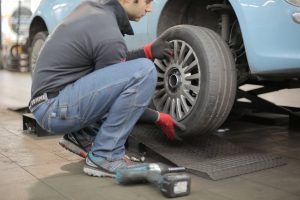
A proper alignment session is about more than just tweaking a few bolts. Trained technicians use modern alignment equipment to measure camber, caster and toe on each wheel, then adjust them back towards manufacturer specifications for the specific vehicle.
A joined-up approach is important. Alignment checks often sit alongside:
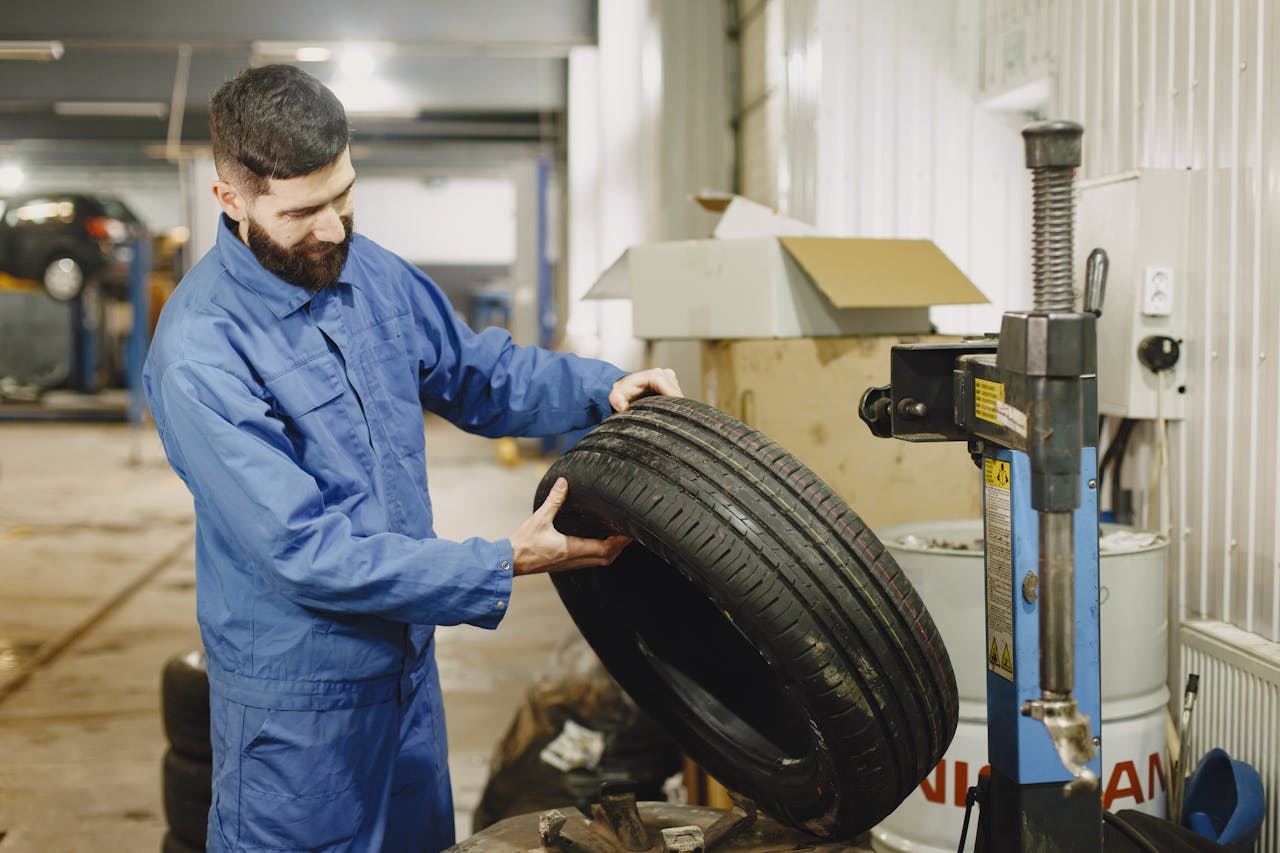
- Tyre supply and fitting
- Wheel balancing
- Suspension inspection
- Brake and exhaust checks
- Basic diagnostics where needed
Looking at the car as a whole helps make sure that tyre wear patterns are not only corrected on the day, but are less likely to return. Local, honest advice means you get clear explanations of what your tyres are telling you, what needs doing now and what can reasonably wait, with safety and value kept front and centre.
Keep Your Car Driving Straight And Tyres Lasting Longer
If you have noticed your steering drifting or uneven tyre wear, we can help you get to the bottom of it quickly. Book a professional wheel alignment check in Ryton with Ryton Tyre & Autocentre and we will assess your vehicle using accurate, up-to-date equipment. Our technicians will explain any issues clearly and advise you on the best next steps so you can drive away with confidence.